
RENT YOUR CAMPERVAN IN PORTUGAL

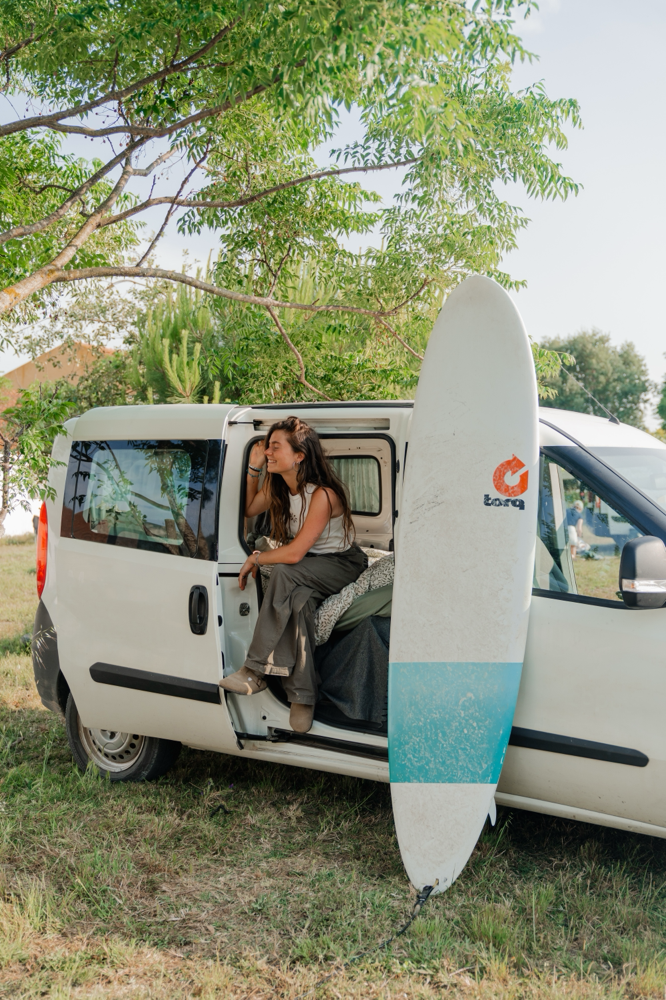
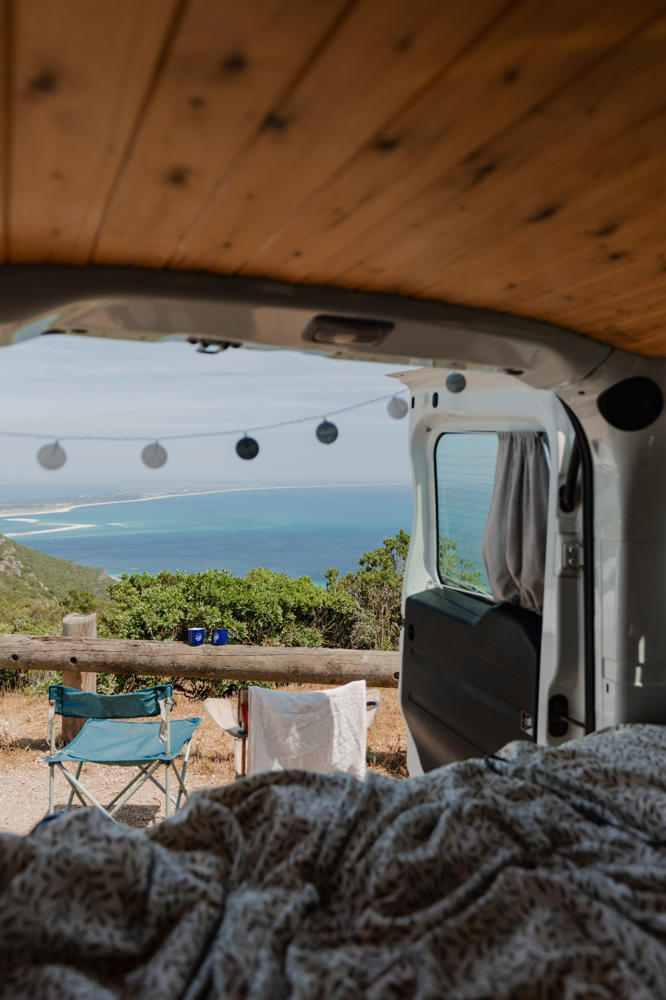
Rent your fully equipped but cheap affordable low-cost camper van with us in Lisbon, Ericeira, Porto or Faro, you name it. Add surfboards to your reservation if you like and enjoy Portugal's amazing coastline at it's best.
RENT YOUR SURFBOARD IN PORTUGAL

We cater all levels, from mini malibu, longboard and softboard
to high performance shortboards and offer
surfboard delivery to your location if necessary. Just let us know!
BETTER RENT THAN GET BROKE

No matter if it flies or floats: it's better to rent it. Not even John-John's quiver is save from airplane attacks...
FREE SURFBOARD DELIVERY

Receive your rental surfboard with our delivery option at Portugal's main surf destinations: Ericeira, Faro, Porto, Peniche, Cascais, Lisbon, Caparica, Sagres, Arrifana...
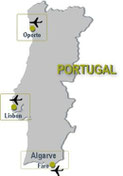








RENT OUR CAMPERVANS & SURFBOARDS AT 3 AIRPORTS: LISBON, PORTO or FARO
Choose what you fancy and not what you get. No more outdated equipment. No more ridiculously excessive charges and irresponsible damages from airlines. Our intention is to offer a surfboard rental in Portugal which meets the needs of surfers in terms of quality, variety, flexibility and price. For already €50 per week including free delivery on arrival. FLY & SURF Rentals Portugal offers a surfboard rental on the three airports in Portugal: Porto, Faro and Lisbon. Just book with us and you will receive your rental surfboard straight upon arrival. This way you don't have to worry about the most important component of your surf trip anymore.
Packing Checklist For Portugal
You've booked your flights, mapped out the coastline, and started checking swell forecasts. Now comes the part that can make or break your trip: figuring out your surf trip essentials. Pack too much and you're dragging dead weight through airports. Pack too little and you're scrambling to find a decent wetsuit in a tourist trap shop at twice the price.
Portugal is one of Europe's best surf destinations, but showing up unprepared is a fast way to waste good waves. The smart move? Know exactly what to bring, what to leave behind, and what you can rent on arrival. At Fly & Surf, we provide surfboards, wetsuits, and campervans directly at Lisbon, Porto, and Faro airports, so your packing list gets a lot shorter before you even start.
This checklist covers the seven categories you need to sort before your Portugal surf trip, from gear and clothing to medical supplies and the small stuff most people forget until it's too late.
Book a board and van on arrival
Sorting your board and transport before you leave home is the single biggest move you can make on your surf trip essentials list. Renting on arrival at a major airport means you skip airline board fees, eliminate the risk of baggage damage, and walk straight into a trip-ready setup.
What to line up before you fly
Book your surfboard and van rental as early as possible, especially if you're traveling in summer. Availability fills fast in peak season, and waiting until you land often means settling for the wrong board size or a van that's already gone. At Fly & Surf, you can reserve online before your flight and have everything waiting at Lisbon, Porto, or Faro airport. Confirming your rental at least two weeks out gives you the best selection and removes one major variable from your trip planning.
When you book, confirm the specific details upfront: board type (shortboard, mini malibu, longboard, or softboard), wetsuit size, and the van pickup location and time. What to bring anyway for day one
Even with a full rental booked, your first hours matter. Pack your leash, preferred fins, and a bar of wax in your carry-on so you can hit the water the same afternoon you land. These items weigh almost nothing but make a real difference to day one.
Carry a change of surf clothes and a quick-dry towel in your hand luggage too. Checked bags get delayed, and losing momentum on a good travel day while waiting at a baggage carousel is a frustrating way to start a surf trip.
Portugal tips for airport pickup and coastal routes
Lisbon, Porto, and Faro each connect directly to Portugal's best surf zones. From Lisbon, Ericeira and Peniche are under two hours away. Faro puts you close to Sagres and Arrifana in the Algarve. Porto sits near some of the country's longest beach
breaks.
Plan your first destination before you land and map your coastal route so you're not losing daylight to wrong turns on day one.
A small ziplock bag or dedicated pouch of surf hardware is one of the most underrated surf trip essentials you can pack. These are the items that rarely come with rental boards and that local surf shops often charge a premium for when you need them urgently on the road. Fins, fin key, screws, and backups. Your fins and a fin key are non-negotiable. If you're renting a board in Portugal, confirm the fin system (FCS, FCS II, or Futures) before you pack, so your fins actually fit. Throw in a few spare fin screws in a small resealable bag because they strip or disappear more often than you'd expect, especially across a multi-week trip. Leashes, leash strings, and the right lengths
Match your leash length to the board you're riding: roughly the same length as the board or slightly longer. Bring at least two leash strings, the small loops that connect the leash to the board plug. They snap without warning, and replacing one costs you a session if you don't carry a backup.A snapped leash string is one of the most common avoidable problems on a surf trip, so pack three.
Wax, traction, and a small ding plan. Portugal water temps vary by region and season, so pack both a base coat and a temperature-appropriate top coat. A traction pad holds grip through long sessions without reapplying. For dings, a small UV resin repair kit fits easily in your pouch and keeps the board watertight between surfs.
Pack the right suit for the season. A good wetsuit is one of the most critical surf trip essentials you can sort before landing in Portugal. Water temperatures here vary more than most travelers expect, and wearing the wrong thickness means cutting sessions short on the days when the waves are actually firing.
Wetsuit thickness guide for Portugal water temps. Portugal's Atlantic water runs colder than the air temperature suggests. In winter (November to March), expect 14-16°C in the north and 15-17°C further south, which calls for a 4/3mm or 5/4mm fullsuit. Spring and autumn bring 16-19°C, where a 3/2mm works well across most of the coast. In peak summer, the Algarve can reach 21°C and a 3/2mm or a shorty covers you fine, but the north stays cooler year-round.If you're renting a wetsuit through Fly & Surf, confirm the thickness for your specific travel dates and the region you plan to surf. Rash guard and wind layer for long sessions Pack a rash guard even if you're wearing a full wetsuit. It cuts down chafing during multi-hour sessions and adds a thin layer of warmth on cold paddling days. Bring a lightweight wind layer for the beach between surfs. Portugal's coast loses heat fast once you step out of the water, and standing around in a wet suit without wind protection shortens your time in the lineup.
Booties, earplugs, and other cold-water saves. Reef booties protect your feet at rocky spots like Ericeira and Sagres and add real warmth during winter months. Earplugs matter more than most surfers expect, since repeated cold Atlantic exposure causes surfer's ear over time, a condition that eventually requires surgery to correct.
Pack both items even if you're traveling in summer. Conditions shift, and carrying them adds almost nothing in weight or space to your bag.
Bring sun, wind, and hydration basics. Sun and wind exposure adds up fast when you're spending full days on Portugal's Atlantic coast. These items often get skipped because they feel minor, but protecting yourself from the elements is a core surf trip essential that keeps you in the water longer and prevents the kind of burnout that ruins the back half of a trip.
Sunscreen, zinc, and lip protection that lasts. Portugal gets strong UV year-round, even on overcast days in winter. Use SPF 50 or higher water-resistant sunscreen and reapply every two hours, not just once before your morning session. Zinc oxide on your nose and cheekbones gives reliable reef-safe coverage that holds up in the lineup. Carry a lip balm with SPF and apply it before every session since sunburned, cracked lips are one of the most overlooked injuries on a long surf trip.
Sunglasses, surf hat, and wind protection. Pack a quality pair of polarized sunglasses for time between surfs, especially on long drives along the coast. A surf hat or peaked cap blocks direct sun during flat spells and while you're reading breaks from the beach. Portugal's coastal wind is persistent, and a lightweight buff or neck gaiter adds real protection on exposed headlands like Sagres.
Reusable bottle and electrolytes for long days. Dehydration sneaks up on you when you're paddling in cool water all day. Carry a reusable water bottle with at least one liter capacity and refill it before each session. Electrolyte tablets or sachets are compact, easy to pack, and make a clear difference across back-to-back surf days in the heat.
Carry a small first aid and meds kit. A basic medical kit is one of the most overlooked surf trip essentials you can put together before leaving home. Portugal's surf spots range from sandy beach breaks to sharp reef, and the coast sits far enough from major cities that a minor injury can become a real problem without the right supplies on hand. Reef cuts, blisters, and infection prevention
Pack antiseptic wipes, iodine solution, and waterproof bandages specifically for reef cuts, which are common at rocky spots like Ericeira and Sagres. Saltwater accelerates infection in open wounds, so clean and cover any cut the same day it happens.
Blister plasters and medical tape are worth including for long walks between beach access points and for breaking in new footwear on the road. Stomach, allergy, and headache basics for travel
Travel shifts your routine fast. Carry antihistamines, ibuprofen, and rehydration salts as your core travel pharmacy since these three handle the most common setbacks that cut surf days short. Anti-diarrheal tablets round out the kit for any food-related issues on the road. Pack any prescription medication in its original labeled packaging to avoid delays at customs or airport security. What to pack in carry-on vs checked luggage. Keep daily medications and antiseptic wipes in your carry-on in case your checked bag gets delayed.
Use a simple clothes and towel system. Clothing is one of the easiest categories to overpack, but smart choices here make your daily routine noticeably smoother. A compact, functional system built around surf-specific gear keeps your bag light and your transitions between water and road fast.
Changing poncho, quick-dry towel, and wet bag. A changing poncho is one of the most practical surf trip essentials you can own. It lets you change in car parks, on beaches, and at the roadside without looking for a bathroom, which matters a lot when you're moving between spots in a campervan. Pair it with a microfiber quick-dry towel that packs down to the size of a paperback, and you'll save significant bag space over a standard beach towel. Add a dedicated wet bag to separate damp gear from dry clothes, since wet wetsuits and boardshorts left loose in a van will soak everything around them fast.Layers for Portugal mornings and evenings Portugal's coastline runs cool in the mornings and evenings even in summer, especially north of Lisbon. Bring one fleece or lightweight midlayer and a windproof jacket to cover the temperature drop between a sunset session and dinner. Footwear for sand, reef, and walking town Reef sandals handle rocky beach access at spots like Ericeira and Sagres, while a pair of comfortable walking shoes covers town exploration and rest days. Two footwear options handle every scenario without weighing your bag down.
Documents, money, and tech
Sorting your documents and tech before you leave is a surf trip essential that most people treat as an afterthought. Losing your passport or running out of battery on a remote stretch of coastline creates a much bigger problem than a forgotten fin key.Passport, license, cards, and local cash plan
Carry your passport and driver's license in a waterproof document wallet and keep a digital photo of each stored in your phone's camera roll, not just in cloud storage that requires a signal to access. Portugal uses euros, and while card payments are widely accepted, smaller surf towns and beach cafes often run cash only, so withdraw at least 50-100 euros before leaving the airport.Split your cards between your wallet and your bag so a theft or loss doesn't leave you completely without access to funds. Travel insurance and emergency info to store offline
Book travel insurance that covers water sports before you fly since standard policies often exclude surfing injuries and equipment damage. Save your policy number, insurer's emergency line, and your blood type as a screenshot on your phone so you can access it without a data connection.Chargers, adapters, power bank, and useful apps
Portugal uses Type F sockets at 230V, so pack a compatible adapter if you're traveling from the US or UK. A 10,000mAh power bank keeps your phone running through long days away from the van. Download offline maps for the coastal regions you plan to surf before you leave home.
Run through these seven categories before you zip your bag: surf hardware pouch, wetsuit, sun and hydration kit, first aid basics, clothes system, documents, and your arrival rental booking. Each one targets a specific failure point that ends surf days early or costs you money and momentum when you're already on the road.
The single biggest upgrade to your surf trip essentials routine is sorting your board and transport before you fly. Showing up without a confirmed rental means losing your first half-day to logistics while the swell runs without you. Portugal's coast between Ericeira, Sagres, and Arrifana offers consistent waves across every skill level for anyone who shows up ready to surf from day one.
Book your surfboard and campervan rental with Fly & Surf at Lisbon, Porto, or Faro airport and spend your first afternoon in the water, not tracking down gear.